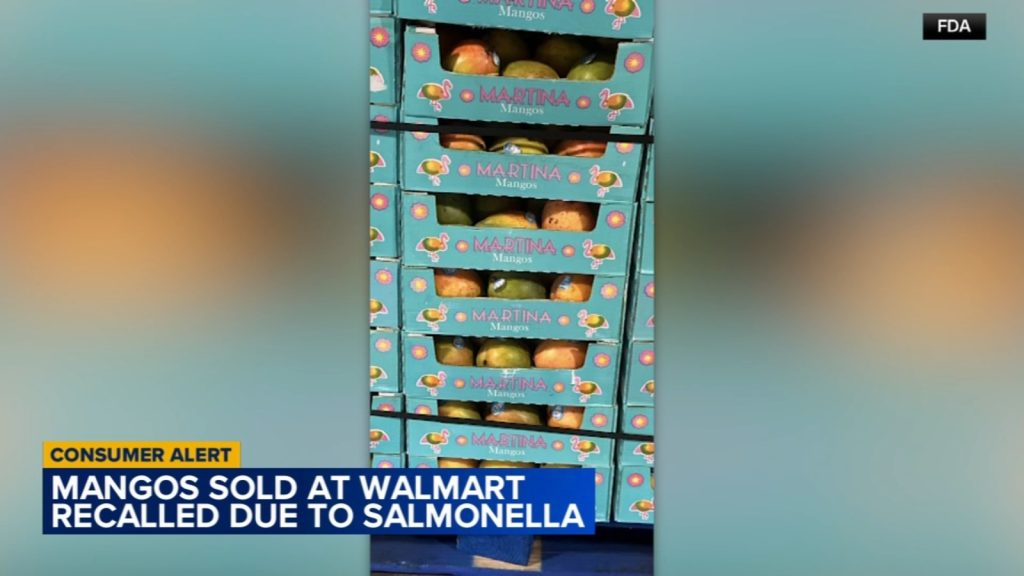



If you’ve recently purchased fresh mangoes from Walmart, you may want to check your kitchen counter or refrigerator. A mango recall at Walmart has been issued across four Northeastern states after salmonella contamination concerns emerged. The voluntary recall, announced by produce distributor Panorama Produce, affects mangoes sold in Walmart stores in Pennsylvania, New Jersey, New York, and Connecticut. While no illnesses have been reported so far, health officials are urging consumers to take the situation seriously and inspect any recent mango purchases.
This precautionary measure comes after salmonella bacteria were detected in mangoes grown on the same farm in Mexico, although the contaminated batches were not shipped to the United States. Still, the U.S. Food and Drug Administration (FDA) is erring on the side of caution, working closely with Panorama Produce and Walmart to remove potentially affected fruit from store shelves.
What Triggered the Walmart Mango Recall?
The recall was initiated as a preventive action after routine testing protocols uncovered salmonella in mangoes harvested from a shared Mexican farm. Although the contaminated fruit never made its way across the border, the proximity of the contamination to fruit intended for the U.S. market raised immediate red flags. Panorama Produce, the company responsible for distributing the mangoes under the Walmart brand, voluntarily pulled the affected products from store shelves.
Salmonella is a serious bacterial infection that can cause significant illness, particularly in young children, elderly adults, pregnant women, and individuals with compromised immune systems. The bacteria typically lives in the intestinal tracts of animals and humans and can spread through contaminated food or water.
Why This Recall Matters
Even though the contaminated mangoes were intercepted before reaching American consumers, this mango recall Walmart announcement serves as an important reminder about food safety infrastructure. The fact that testing caught the contamination at the source farm prevented what could have been a widespread outbreak. Walmart’s rapid response in pulling the fruit demonstrates the company’s commitment to protecting customer health.
Affected States and Stores
The recall specifically impacts Walmart stores in four states:
- Pennsylvania
- New Jersey
- New York
- Connecticut
Customers who purchased mangoes from any Walmart location in these states during the affected timeframe are encouraged to verify whether their fruit is part of the recall. Consumers can typically identify recalled products through:
- PLU stickers on individual mangoes
- Packaging labels indicating the brand or distributor
- Country of origin information (in this case, Mexico)
What Should You Do With the Recalled Mangoes?
If you have recently purchased mangoes from Walmart in any of the affected states, the FDA and Panorama Produce recommend taking the following steps:
- Do not eat the mangoes , Even if they look and smell fresh, contamination is not always visible to the naked eye.
- Return them to Walmart , Most Walmart locations will issue a full refund for the recalled product, even without a receipt.
- Throw them away , If returning them is not convenient, dispose of the mangoes in a sealed bag in your household trash to prevent accidental consumption by family members or pets.
- Clean and sanitize , Wash any surfaces, cutting boards, knives, or containers that may have come into contact with the recalled fruit using hot, soapy water or a sanitizing solution.
Taking these steps is essential because salmonella symptoms can range from mild gastrointestinal discomfort to severe, life-threatening complications requiring hospitalization.
Recognizing Salmonella Symptoms
Understanding the signs of salmonella poisoning is crucial, especially if you’ve recently consumed mangoes or any other potentially contaminated produce. Common salmonella symptoms typically appear between six hours and six days after infection and may include:
- Diarrhea, fever, and stomach cramps
- Nausea and vomiting
- Headache and muscle aches
- Loss of appetite
- Blood in the stool (in severe cases)
Most healthy individuals recover without specific treatment within four to seven days. However, severe cases can lead to dehydration, bacteremia (bacteria in the bloodstream), or reactive arthritis. Anyone experiencing persistent symptoms, high fever, or signs of dehydration should seek immediate medical attention.
Who Is Most at Risk?
While anyone can contract salmonella, certain groups face a higher risk of severe illness:
- Infants and young children , Their developing immune systems are less equipped to fight bacterial infections.
- Elderly adults , Aging weakens immune response and reduces the body’s ability to recover quickly.
- Pregnant women , Infections can pose risks to both mother and baby.
- Immunocompromised individuals , Those with conditions like HIV, cancer, or autoimmune disorders face elevated risks.
Food Safety Best Practices at Home
This mango recall Walmart is a timely prompt to revisit everyday food safety practices in your kitchen. Even when produce isn’t part of an active recall, following proper handling procedures can significantly reduce your risk of foodborne illness:
- Wash all produce thoroughly , Rinse fruits and vegetables under running water before cutting, peeling, or eating, even if you plan to peel them.
- Separate raw foods , Keep raw meat, poultry, and seafood away from fresh produce to prevent cross-contamination.
- Use clean utensils and surfaces , Sanitize cutting boards, knives, and countertops regularly, especially between preparing different food types.
- Refrigerate promptly , Cut fruit should be stored in the refrigerator and consumed within a few days.
- Check expiration dates , Always inspect produce for signs of spoilage before consuming.
The Broader Picture of Produce Recalls
This isn’t the first time imported produce has faced scrutiny in the United States. Over the past decade, several high-profile recalls have involved fresh fruits and vegetables contaminated with salmonella, E. coli, and listeria. The FDA has implemented stricter oversight measures, including the Food Safety Modernization Act (FSMA), which emphasizes prevention rather than reaction in food safety protocols.
The Panorama Produce recall highlights how international supply chains can create vulnerabilities. Mexico is one of the largest exporters of fresh produce to the United States, and while the vast majority of imports are safe, occasional contamination events underscore the importance of rigorous testing at every stage of the supply chain.
How Recalls Typically Work
When a potential contamination is identified, several steps typically unfold:
- Detection , Routine testing by government agencies, producers, or distributors identifies contamination.
- Investigation , Officials trace the contamination to its source and determine the scope of affected products.
- Notification , The FDA, USDA, or CDC issues a public recall notice.
- Removal , Retailers pull affected products from shelves, and consumers are alerted.
- Follow-up , Health officials monitor for illness reports and conduct further investigation as needed.
Staying Informed About Food Recalls
To stay up to date on the latest food recalls, including this mango recall Walmart announcement, consumers can:
- Visit the FDA’s official recall website at fda.gov
- Sign up for email alerts from the USDA and CDC
- Check Walmart’s recall page for store-specific information
- Follow local news outlets for region-specific updates
Staying informed empowers consumers to act quickly when recalls are issued, minimizing the risk of illness for themselves and their families.
Conclusion
While no illnesses have been linked to this precautionary mango recall Walmart event, the situation serves as an important reminder that food safety is a shared responsibility among producers, distributors, retailers, and consumers. If you’ve recently purchased mangoes from Walmart in Pennsylvania, New Jersey, New York, or Connecticut, take a moment to verify whether your fruit is part of the recall. When in doubt, throw it out or return it for a refund.
By staying vigilant, practicing proper food handling techniques, and keeping informed about ongoing recalls, you can help protect yourself and your loved ones from preventable foodborne illnesses. The good news is that the rapid response from Panorama Produce and Walmart likely prevented a potentially serious public health situation , a testament to the importance of robust food safety systems in our increasingly global food supply chain.

Leave a Reply